Let’s be honest for a second.
The biggest myth about shapewear is this: if you’re not struggling to breathe, it’s not working.
For years, we’ve been trained to associate results with discomfort. The tighter it feels, the flatter the stomach—right? If your tummy is squeezed so hard you’re reconsidering dinner plans, that must mean you’re wearing the best shapewear.
Wrong. Very wrong.
In modern textile science, compression without breathability isn’t just uncomfortable—it’s inefficient, unhealthy, and outdated. Today, real sculpting power comes from smart design, not suffocation. And comfort? Comfort is not a bonus feature. It’s proof that shapewear is doing its job correctly.
Let’s break down why breathable shapewear is redefining the industry—and why comfort matters more than compression ever did.
The Trap of “Blind Compression”
A lot of mass-market shapewear still follows an old-school mindset: press everything as hard as possible and hope for the best.
These products rely on low-grade synthetic materials that behave more like plastic wrap than fabric. They trap heat, block airflow, and ignore how the human body actually functions.

What happens when your skin can’t breathe?
- Excessive sweating with nowhere to evaporate
- Skin irritation and fungal issues, especially in folded areas
- Friction burns caused by hot, damp fabric rubbing against the skin
This is what we call blind compression: pressure without strategy.
High-quality shapewear works differently. It uses targeted compression, applying pressure only where it’s needed, while allowing airflow and flexibility elsewhere. The result? A smoother silhouette and a body that still feels like it belongs to you.
Breathability Is Not a Luxury—It’s a Requirement
Here’s the reality check:
Your skin is an organ. It needs oxygen, temperature regulation, and moisture balance to stay healthy.
When shapewear ignores breathability, it creates a hostile environment for your skin. Over time, this doesn’t just affect comfort—it affects confidence. Because no matter how flat your stomach looks, it’s hard to feel powerful when you’re overheating and constantly adjusting your outfit.
That’s why breathable shapewear isn’t about being “soft.”
It’s about being intelligently engineered.
What to Look for in a Bodysuit with Tummy Control
If you’re shopping for a bodysuit with tummy control, here’s a pro tip: stop checking the size label first. Start checking the fabric technology.
Premium bodysuits typically use a blend of microfiber nylon and high-grade elastane with moisture-wicking properties. This technology pulls sweat away from your skin and disperses it across the outer layer of the fabric, where it can evaporate quickly.
Why does this matter?
- You stay cool under layered outfits
- The fabric feels dry, not sticky
- Your body temperature stays balanced
And here’s the underrated part:
When you feel cool and dry, your posture improves, your facial tension relaxes, and your overall presence becomes calmer. Confidence isn’t just visual—it’s physiological.
A well-designed bodysuit with tummy control supports your core without turning your torso into a pressure cooker.
Comfort = Better Visual Results (Yes, Really)
There’s a psychological layer people rarely talk about.
When shapewear is uncomfortable, your body reacts. You tense your shoulders, tighten your jaw, shorten your breath. All of that shows. The irony? The discomfort meant to make you look better often ends up doing the opposite.
Comfort allows you to:
- Move naturally
- Stand taller
- Breathe deeper
That’s why breathable shapewear doesn’t just feel better—it actually looks better in real life, not just in mirrors or photos.
Workout Shapewear: The Ultimate Fabric Stress Test
If you really want to judge fabric technology, don’t test it at a party.Test it in motion. This is where workout shapewear enters the conversation—and completely changes the standards.
Workout shapewear has to survive what traditional shapewear avoids: sweat, movement, stretching, and repeated wear. To function properly, it must meet what many designers call the Triple-S Standard:
1. Support
It stabilizes the core and muscles during movement without restricting circulation.
2. Stretch
It offers 360-degree flexibility, adapting to lunges, twists, and bends without thinning out or turning transparent.
3. Sweat Management
It maintains airflow and moisture control even when your heart rate rises.
Any brand capable of producing effective workout shapewear is operating on a higher technological level than rigid, old-style shapewear brands. And when that same fabric science is applied to everyday shapewear? The difference is night and day.
Why the Best Shapewear Is a Long-Term Investment
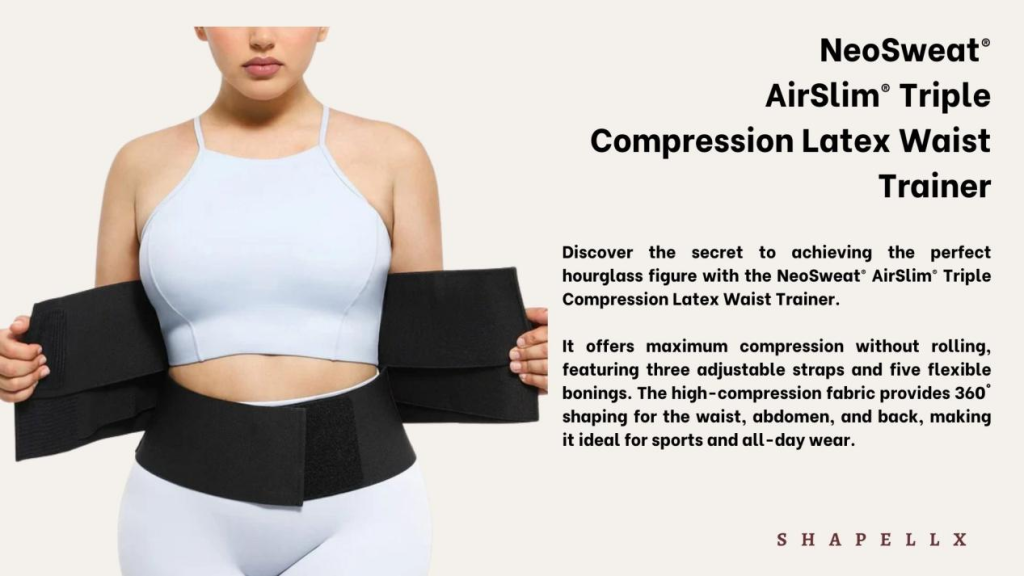
Let’s talk numbers—not price tags, but cost per wear.
Uncomfortable shapewear usually gets worn once, maybe twice, then quietly retires to the back of your drawer. That’s not saving money. That’s just expensive disappointment.
The best shapewear is built from durable fibers that:
- Retain elasticity after washing
- Maintain compression without hardening
- Stay soft while staying effective
Comfort is a sign that the fabric is working with your body, not fighting it. That synergy means longevity, consistency, and actual value over time.
As a rule of thumb:
If you forget you’re wearing it, it’s doing its job right.
Compression Shapes the Body—Comfort Shapes Confidence
Compression can give you a silhouette. Comfort gives you an aura. You can’t fully own a room when your main thought is, “When can I take this off?” Breathable shapewear lets you stay present, grounded, and confident—whether you’re at an event, at work, or in motion.
So when choosing shapewear, don’t settle for flat stomach promises alone. Look for fabric technology that respects your skin, your breathing, and your lifestyle.
Whether it’s a bodysuit with tummy control for formal wear or workout shapewear for active days, breathability should never be optional.
Because at the end of the day, the most flattering body is not the most compressed one; it’s the one that’s healthy, comfortable, and free to move.